New Delhi, India (Default) [Choose your location]

Holi
Back to festival calendar
Major On 22 Mar 2027

Holi

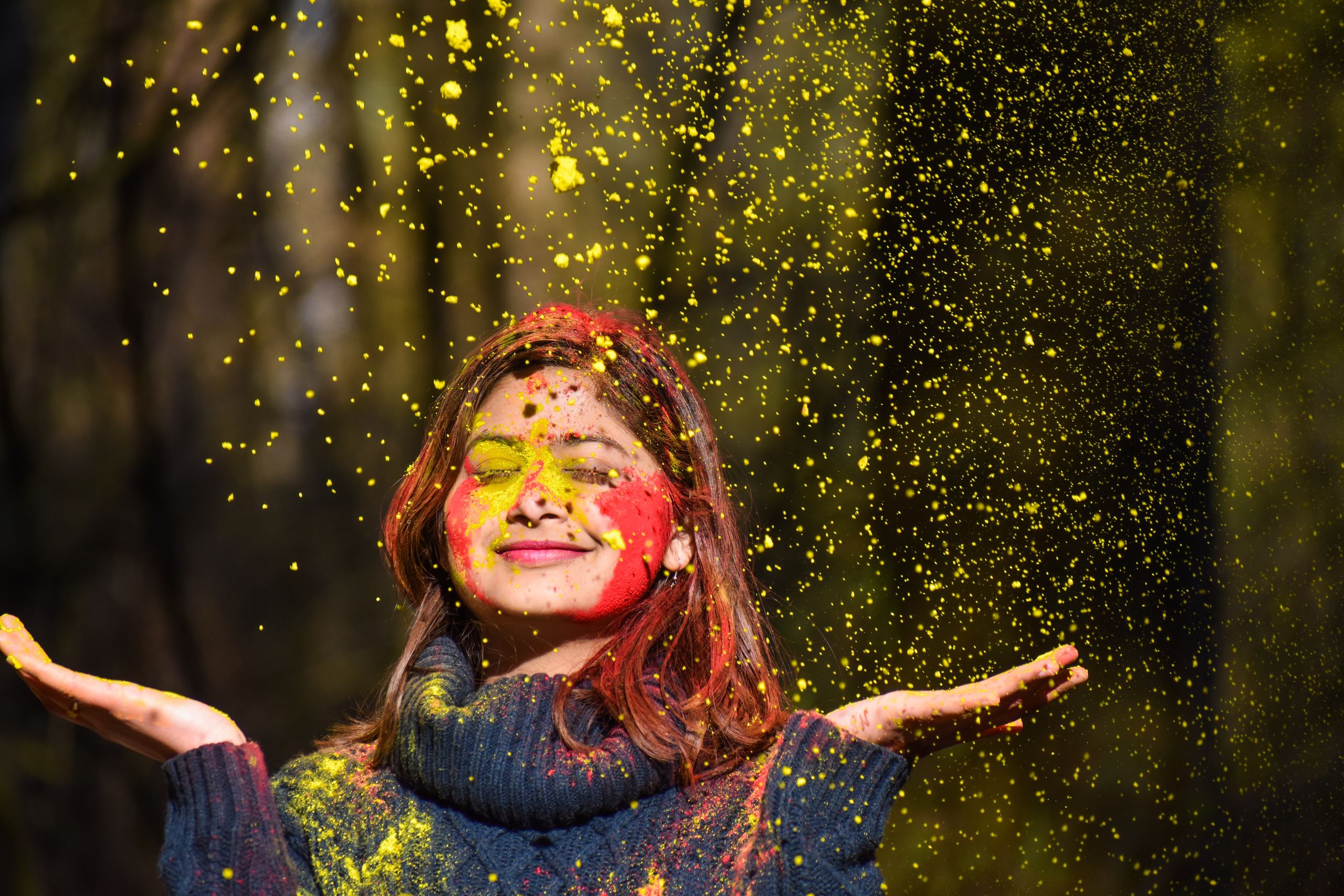
The festival of colors, celebrating the arrival of spring and the triumph of good over evil.

How this date was decided

Confidence: Medium First pass
Observance window
06:23 – 06:22 (23 Mar)

Why this day

Observed 1 day(s) from the decided date of its base festival (21 March 2027).

Sources

Different date in other sources

Rashtriya Panchang (IMD, Govt. of India)

Date in this source
23 March 2027
Our date
22 March 2027

Rule difference · authorities differ on the rule

Dharmasindhu's 3.5-yama test: with Bhadra over the first day's pradosha and no Purnima in the second day's pradosha, the second day is taken only if Purnima lasts at least 3.5 yamas on it. It falls short, so we keep the first day; this source takes the second day without the test.

Source: Rashtriya Panchang 2026-27, p.98 (p. 98)

Nirnayasindhu (with the Hindi Setu tika) — p. 342 (leaf n387)

ज्योतिर्निबन्धे तु-"प्रतिपद्भूतभद्रासु यार्चिता होलिका दिवा । संवत्सरं च तद्राष्ट्रं पुरं दहति सा द्रुतम् ॥ प्रदोषव्यापिनी ग्राह्या पौर्णिमा फाल्गुनी सदा । तस्यां भद्रामुखं त्यक्त्वा पूज्या होला निशामुखे ॥ २ ॥" इति नारदवचनात् प्रदोषव्यापिनीत्युक्तम् । … दिनद्वये प्रदोषव्याप्तौ परैव । पूर्वदिने भद्रासत्त्वात्तत्र च होलिकानिषेधात् । तदुक्तं निर्णयामृते मदनरत्ने च पुराणसमुच्चये-"भद्रायां दीपिता होली राष्ट्रभङ्गं करोति वै ।

Quoted from: "ज्योतिर्निबन्धे … नारदवचनात्"; "निर्णयामृते मदनरत्ने च पुराणसमुच्चये". On the same page, Nirṇayāmṛta first gives a sāyāhna-vyāpinī view ("सायाह्ने होलिकां कुर्यात्पूर्वाह्णे क्रीडनं गवाम्").

Hindi meaning
फाल्गुन पूर्णिमा प्रदोषव्यापिनी लें और भद्रा का मुख छोड़कर सन्ध्या में होली पूजें। प्रतिपदा, चतुर्दशी, भद्रा में या दिन में जलाई होली राष्ट्र और नगर को जलाती है। दोनों दिन प्रदोष में हो तो दूसरा दिन लें, क्योंकि पहले दिन भद्रा है।
English meaning
Always take the Phālguna Pūrṇimā covering pradoṣa. Worship the Holī at nightfall, leaving out Bhadrā's mukha. A Holī lit in pratipad, caturdaśī or Bhadrā, or by day, burns the realm. With pradoṣa on both days → the later day, since the first has Bhadrā ("a Holī kindled in Bhadrā breaks the kingdom").

Reading confidence: high Read from the scan page image

Computed for New Delhi · Decision profile: Smarta (Dharmasindhu)

Smarta (Dharmasindhu) is a first pass and is still being verified against published almanacs.

Why it matters

Marks the end of winter and the victory of devotion over the demoness Holika; celebrated with bonfires, colored powders, and water.

Story & Vrat Katha

Holi

Story

According to legend, the demon king Hiranyakashyap ordered his sister Holika to burn his devout son Prahlad alive. Protected by his unwavering faith in Lord Vishnu, Prahlad emerged unharmed while Holika perished in the flames. The bonfire lit the night before Holi (Holika Dahan) commemorates this victory of devotion and good over evil, and the following day is celebrated with colors symbolizing joy and new beginnings. The katha of Holi is usually heard in a devotional mood rather than as ordinary history. Elders explain the narrative, children learn the symbols, and the household connects the festival with the deity, season, tithi, nakshatra, or solar movement that gives it its sacred timing. In this way the festival becomes a bridge between scripture, family memory, and the rhythm of the Hindu calendar.

Importance

Marks the end of winter and the victory of devotion over the demoness Holika; celebrated with bonfires, colored powders, and water. Holi is important because it gives devotees a fixed sacred pause in the year. Work, travel, and routine are softened so that the mind can return to worship, gratitude, self-control, and service. The festival also keeps regional traditions alive: temple darshan, lamps, flowers, food offerings, vrata-katha listening, gifts to brahmins or the needy, and respectful remembrance of ancestors or deities, according to the nature of the observance. Even when customs differ from one region to another, the inner intention remains the same: to align the household with dharma and to make the day spiritually fruitful.

Vrat Method

The vrat may begin in the morning after bath and purification of the place of worship. Devotees take a sankalpa by remembering the date, place, family lineage when customary, and the purpose of observing Holi. The altar is arranged with a clean cloth, lamp, incense, water, flowers, fruits, and the image or symbol of the presiding deity. One should recite the relevant mantra, stotra, chalisa, sahasranama, or festival katha according to family tradition. Where a strict fast is not part of family custom, the day may still be observed with a simple sankalpa, sattvic food, prayer, charity, and respectful participation in temple or household worship. Many devotees keep a full fast, fruit fast, milk-and-fruit fast, or one sattvic meal, depending on health, age, pregnancy, medicines, and local custom. The observance should not become harsh pride; compassion, steadiness, and truthfulness are more important than display. In the evening, the worship is completed with arati, naivedya, charity, and prayers for forgiveness of mistakes. If the festival has a moonrise, sunrise, pradosh, madhyahna, nishita, or temple-specific timing, that period should be preferred.

Spiritual Benefits

The spiritual benefit of Holi is the refinement of intention. Fasting disciplines the senses, mantra steadies speech, worship gives direction to emotion, and charity converts personal celebration into shared merit. The devotee learns patience, gratitude, humility, and trust in divine order. Repeated annual observance also builds samskara: the mind begins to associate this season and lunar or solar marker with prayer rather than distraction. For families, the day transmits values without argument. For individual sadhakas, it becomes a reminder to reduce excess, forgive old bitterness, honour teachers and elders, and renew commitment to right conduct.

Astrological Significance

In Jyotish, Holi is not chosen at random. It falls on the day after Holika Dahan, so its timing follows the Panchang rule of that festival. The tithi shows the angular relationship of the Moon and Sun, revealing the emotional and karmic tone of the day. The paksha shows whether lunar light is increasing or decreasing, and the nakshatra, when used, adds a finer psychological and devotional quality. Sankranti-based festivals emphasize the Sun's movement through the zodiac and are especially connected with renewal, direction, authority, health, and seasonal transition. A location-aware Panchang should be used because sunrise, moonrise, tithi ending, nakshatra ending, and local time zone can shift the practical observance from one civil date to another.

FAQ

Can Holi be observed at home? +

Yes. A clean altar, sincere sankalpa, mantra, katha, simple offering, and charity are enough when temple worship is not possible.

Is fasting compulsory? +

Follow family tradition and personal health. A sattvic diet with restraint is better than an unsafe fast.

Which Panchang should be followed? +

Use a Panchang calculated for your city, because festival timing depends on local sunrise, moonrise, and tithi or nakshatra boundaries.

What is the simplest useful practice? +

Bathe, light a lamp, remember the deity or sacred theme of the festival, read the katha, offer food, give charity, and close with arati and prayer.