Today's Panchang · New Delhi, India
Weekday Friday Tithi 8 · Shukla Paksha Nakshatra Jyeshtha Sunrise 06:06 Rahu Kaal 10:43-12:15 Change location
Indira Ekadashi
Back to festival calendar
Vrat On 26 Sep 2027

Indira Ekadashi

The Ashwin Krishna vrat dedicated to liberating ancestors from lower realms.

Why it matters

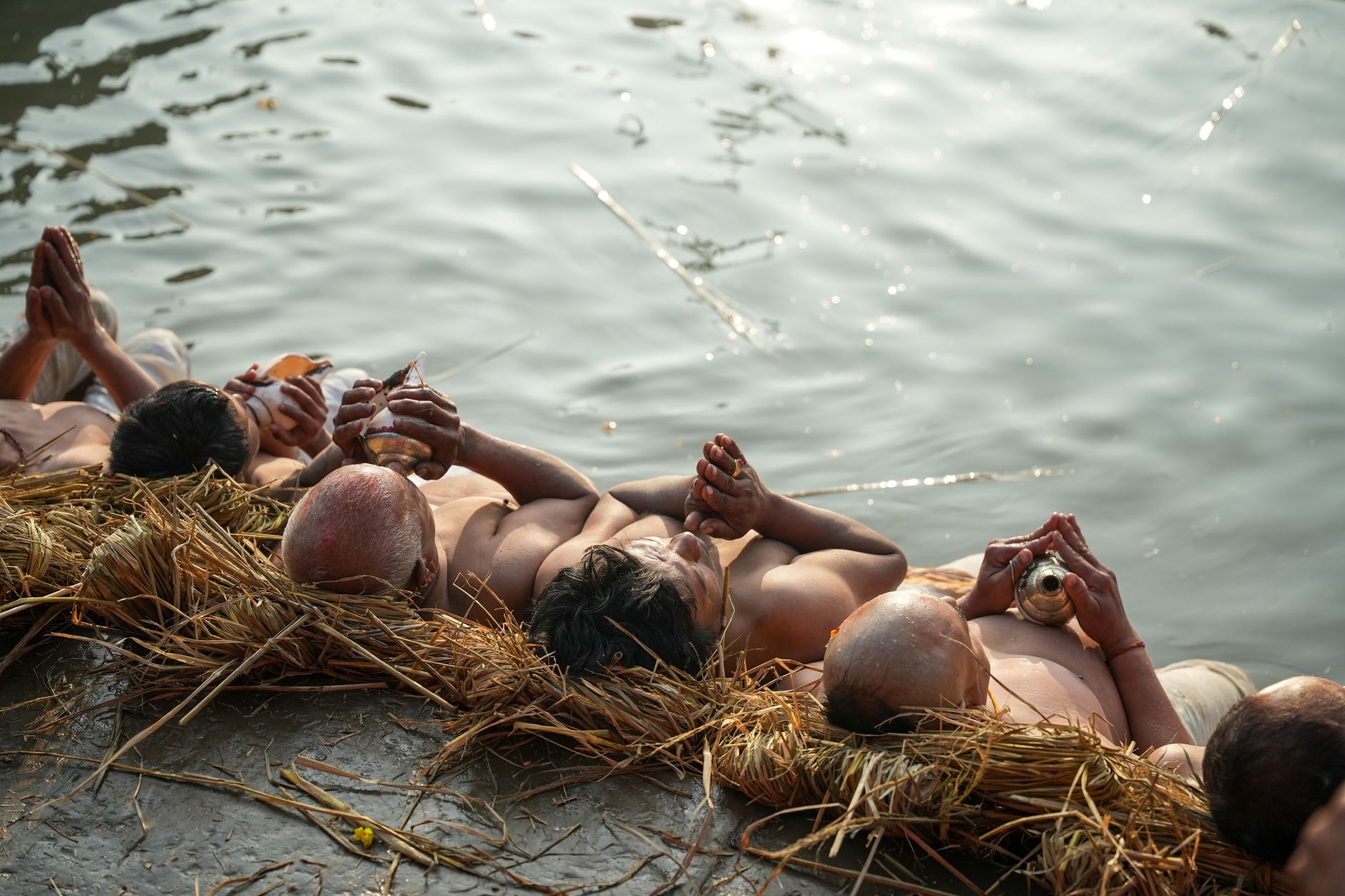
Observed during Pitru Paksha; its merit is offered to ancestors to grant them peace and elevation.

Story & Vrat Katha

Indira Ekadashi

Story

The traditional memory of Indira Ekadashi is preserved through local kathas, temple recitations, family customs, and the Panchang rule that fixes the festival each year. The Ashwin Krishna vrat dedicated to liberating ancestors from lower realms. The story is therefore not only a single episode, but a living way of remembering dharma, gratitude, restraint, and divine grace in daily life. The katha of Indira Ekadashi is usually heard in a devotional mood rather than as ordinary history. Elders explain the narrative, children learn the symbols, and the household connects the festival with the deity, season, tithi, nakshatra, or solar movement that gives it its sacred timing. In this way the festival becomes a bridge between scripture, family memory, and the rhythm of the Hindu calendar.

Importance

Observed during Pitru Paksha; its merit is offered to ancestors to grant them peace and elevation. Indira Ekadashi is important because it gives devotees a fixed sacred pause in the year. Work, travel, and routine are softened so that the mind can return to worship, gratitude, self-control, and service. The festival also keeps regional traditions alive: temple darshan, lamps, flowers, food offerings, vrata-katha listening, gifts to brahmins or the needy, and respectful remembrance of ancestors or deities, according to the nature of the observance. Even when customs differ from one region to another, the inner intention remains the same: to align the household with dharma and to make the day spiritually fruitful.

Vrat Method

The vrat may begin in the morning after bath and purification of the place of worship. Devotees take a sankalpa by remembering the date, place, family lineage when customary, and the purpose of observing Indira Ekadashi. The altar is arranged with a clean cloth, lamp, incense, water, flowers, fruits, and the image or symbol of the presiding deity. One should recite the relevant mantra, stotra, chalisa, sahasranama, or festival katha according to family tradition. Because this observance is treated as a vrat, the discipline of sankalpa, restraint, mantra, charity, and clean food is central to the day. Many devotees keep a full fast, fruit fast, milk-and-fruit fast, or one sattvic meal, depending on health, age, pregnancy, medicines, and local custom. The observance should not become harsh pride; compassion, steadiness, and truthfulness are more important than display. In the evening, the worship is completed with arati, naivedya, charity, and prayers for forgiveness of mistakes. If the festival has a moonrise, sunrise, pradosh, madhyahna, nishita, or temple-specific timing, that period should be preferred.

Spiritual Benefits

The spiritual benefit of Indira Ekadashi is the refinement of intention. Fasting disciplines the senses, mantra steadies speech, worship gives direction to emotion, and charity converts personal celebration into shared merit. The devotee learns patience, gratitude, humility, and trust in divine order. Repeated annual observance also builds samskara: the mind begins to associate this season and lunar or solar marker with prayer rather than distraction. For families, the day transmits values without argument. For individual sadhakas, it becomes a reminder to reduce excess, forgive old bitterness, honour teachers and elders, and renew commitment to right conduct.

Astrological Significance

In Jyotish, Indira Ekadashi is not chosen at random. It is resolved through Krishna Paksha Ekadashi of the Bhadrapada lunar month, so the lunar month and tithi both shape the observance. The tithi shows the angular relationship of the Moon and Sun, revealing the emotional and karmic tone of the day. The paksha shows whether lunar light is increasing or decreasing, and the nakshatra, when used, adds a finer psychological and devotional quality. Sankranti-based festivals emphasize the Sun's movement through the zodiac and are especially connected with renewal, direction, authority, health, and seasonal transition. A location-aware Panchang should be used because sunrise, moonrise, tithi ending, nakshatra ending, and local time zone can shift the practical observance from one civil date to another.

FAQ

Can Indira Ekadashi be observed at home? +

Yes. A clean altar, sincere sankalpa, mantra, katha, simple offering, and charity are enough when temple worship is not possible.

Is fasting compulsory? +

Follow family tradition and personal health. A sattvic diet with restraint is better than an unsafe fast.

Which Panchang should be followed? +

Use a Panchang calculated for your city, because festival timing depends on local sunrise, moonrise, and tithi or nakshatra boundaries.

What is the simplest useful practice? +

Bathe, light a lamp, remember the deity or sacred theme of the festival, read the katha, offer food, give charity, and close with arati and prayer.